
Pet Dander Reduction in Hypoallergenic Pet Breeds: The Real Deal
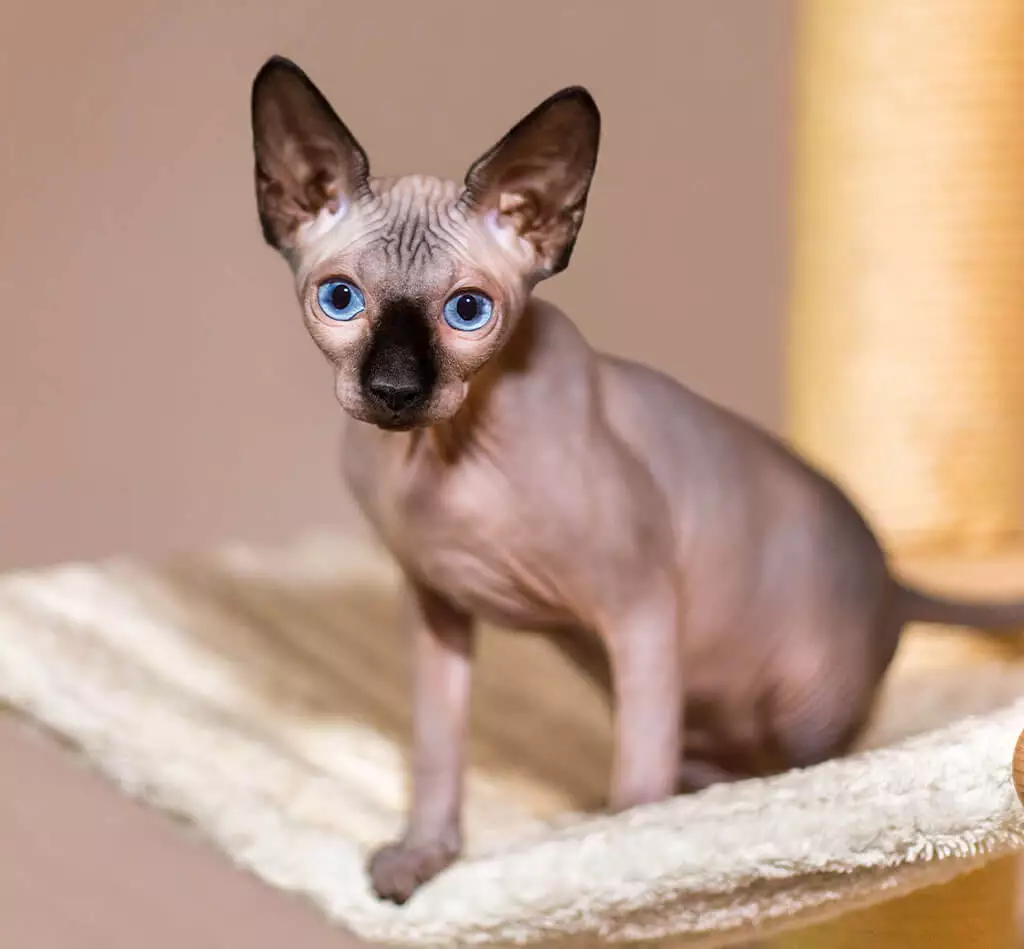
Let’s get one thing straight right off the bat—there’s no such thing as a 100% hypoallergenic pet. I know, I know, that’s probably not what you wanted to hear. But here’s the silver lining: some breeds come awfully close. They produce way less dander, and with the right strategies, you can cut that allergen load down to a whisper. Honestly, for many allergy sufferers, that’s enough to live comfortably with a furry friend.
So, what exactly is dander? Well, it’s not fur. It’s tiny flakes of dead skin—microscopic, really—that pets shed constantly. These flakes carry proteins (like Fel d 1 in cats and Can f 1 in dogs) that trigger your immune system. And here’s the kicker: dander clings to furniture, floats in the air, and sticks to walls. It’s relentless. But with the right breed and a solid reduction game plan, you can seriously minimize the sneezing, itching, and general misery.
Why “Hypoallergenic” Breeds Still Produce Dander
Think of it like this: a hypoallergenic breed is like a car with better fuel efficiency—it still uses gas, just less of it. Poodles, Bichon Frises, and Siberian cats have hair instead of fur, which grows continuously and sheds less. Less shedding means less dander trapped in the coat. But they still have skin, and that skin still flakes off. The difference? The dander is often smaller and less sticky, so it doesn’t bind to fabrics as aggressively. That’s a win, but it’s not a free pass.
Here’s another twist—some breeds produce less of the specific allergenic protein. For instance, male cats produce more Fel d 1 than females, and neutered males produce less than intact ones. That’s a fascinating little biological quirk, right? So, breed matters, but so does the individual animal’s biology. You can’t just pick a breed and assume you’re golden.
The Usual Suspects: Breeds That Play Nicer with Allergies
If you’re in the market, here’s a quick rundown of breeds that tend to be easier on sensitive noses. Remember, this isn’t a guarantee—it’s a starting point.
- Poodle (all sizes) – Hair-like coat, minimal shedding, but needs regular grooming to prevent matting.
- Bichon Frise – Tight, curly coat that traps dander close to the skin; frequent brushing is non-negotiable.
- Portuguese Water Dog – Single-coated, sheds very little, and famously used by the Obamas for their allergy-prone daughter.
- Siberian Cat – Surprisingly low Fel d 1 levels for a long-haired breed; many allergy sufferers tolerate them well.
- Cornish Rex (Cat) – Only has an undercoat, so less fur and less dander overall.
- Maltese – Silky hair, very little shedding, but requires daily combing to keep dander from building up.
But wait—here’s the thing. Even within these breeds, individual animals vary. You could meet two Poodles from the same litter, and one might bother your allergies while the other doesn’t. It’s a gamble, honestly. So, spend time with the specific animal before committing. That’s the smartest move you can make.
Proven Strategies for Dander Reduction (Beyond the Breed)
Okay, so you’ve picked a breed that’s supposed to be “hypoallergenic.” Now what? Well, you can’t just sit back and hope for the best. You need a multi-pronged approach. Think of it as a defense-in-depth strategy—like layers of armor for your immune system.
Bathing and Grooming: The First Line of Defense
Regular baths are your best friend. But here’s the nuance—over-bathing can dry out the skin, which leads to more dander. That’s counterproductive. For dogs, aim for once every 3-4 weeks with a gentle, hypoallergenic shampoo. For cats, well, good luck. Most cats hate water. But you can use pet-safe wipes or waterless shampoo to wipe down their coat weekly. That physically removes dander and the proteins clinging to it.
Brushing is equally crucial. Do it outside if possible, or in a room that’s easy to clean. A HEPA-filter vacuum can handle the fallout. And wear a mask while brushing if you’re particularly sensitive—no shame in that. It’s a practical move, not a dramatic one.
Environmental Controls: Your Home as an Allergen Shield
This is where you can make the biggest impact. Dander is light and floats in the air for hours. So, you need to trap it and filter it out.
- HEPA air purifiers – Place one in your bedroom and one in the main living area. Run them 24/7. Trust me, this is a game-changer.
- Wash bedding weekly – Yours and your pet’s. Use hot water (130°F or higher) to denature the proteins.
- Remove carpet – If you can. Carpet is a dander magnet. Hardwood, tile, or laminate floors are far easier to wipe down.
- Use allergen-proof covers – On your mattress and pillows. This creates a physical barrier between you and any lingering dander.
- Declutter surfaces – Dander settles on bookshelves, knick-knacks, and blinds. Fewer surfaces mean fewer places for it to hide.
Honestly, the air purifier alone can reduce airborne dander by up to 99% in a closed room. That’s not a small number. But you have to keep it running—turning it off at night defeats the purpose.
The Role of Diet and Supplements (Yes, Really)
You might not think about this, but your pet’s skin health starts from the inside. A poor diet can lead to dry, flaky skin—which, you guessed it, means more dander. So, invest in high-quality pet food with omega-3 and omega-6 fatty acids. These support skin barrier function and reduce inflammation. Some owners even add fish oil supplements to their pet’s diet. It’s not a miracle cure, but it can noticeably reduce flakiness over a few weeks.
Also, keep an eye on humidity levels in your home. Dry air—especially in winter—can exacerbate skin dryness in pets. A humidifier set to around 40-50% can help keep their skin supple and reduce dander production. It’s a subtle but effective tweak.
Training and Behavioral Tweaks
Here’s a slightly unconventional one—train your pet to stay off the furniture. I know, easier said than done. But if you can keep them off your bed and sofa, you’re dramatically reducing your exposure during sleep and relaxation. Create a cozy, designated spot for them with washable blankets. It’s a compromise that benefits both of you.
And for cats, consider a “catio” or a screened-in porch. More time outdoors means less dander indoors. Plus, they get fresh air and stimulation. Win-win.
Myth-Busting: What Doesn’t Work
Let’s clear up some confusion. Shaving a double-coated dog (like a Husky) does not reduce dander. In fact, it can ruin their coat and expose more skin, leading to more dander. Also, “teacup” or toy breeds aren’t automatically better—size doesn’t correlate with allergen production. And those sprays that claim to neutralize allergens on your pet? They’re hit-or-miss. Some work temporarily, but they don’t replace regular grooming.
One more myth—hypoallergenic cats don’t produce Fel d 1. False. They produce less, but it’s still there. The only true fix is immunotherapy (allergy shots), which gradually desensitizes you to the protein. That’s a long-term medical solution, not a quick fix.
A Practical Routine That Actually Works
Let’s boil this down into a weekly rhythm. Because consistency beats intensity. Here’s a sample schedule you can adapt:
| Day | Action | Time Needed |
|---|---|---|
| Monday | Brush pet outdoors, wipe down with pet-safe wipes | 15 mins |
| Tuesday | Vacuum with HEPA filter, dust surfaces | 20 mins |
| Wednesday | Wash pet bedding in hot water | 10 mins |
| Thursday | Check air purifier filters, clean if needed | 5 mins |
| Friday | Brush again, focus on undercoat areas | 15 mins |
| Saturday | Bathe pet (if due), or use waterless shampoo | 30 mins |
| Sunday | Rest day—just enjoy your pet | — |
That’s about 1.5 hours a week. Not bad for a significant reduction in allergens. And honestly, after a few weeks, it becomes second nature. You won’t even think about it.
When All Else Fails: Medication and Immunotherapy
Sometimes, even with the best breed and a spotless routine, your allergies still act up. That’s okay. It doesn’t mean you’re a failure. It means your immune system is stubborn. Over-the-counter antihistamines can help manage symptoms. Nasal corticosteroid sprays are also effective for congestion. But if you’re serious about living with a pet long-term, talk to an allergist about immunotherapy. It’s a commitment—years of shots or under-the-tongue drops—but it can rewire your immune response. Many people go from severe allergies to barely noticing their pet. That’s the ultimate goal, right?
And here’s a thought—some people build a natural tolerance over time. It’s not guaranteed, but it happens. Your body gets used to the specific proteins in your home. It’s like acclimating to a cold pool. You still feel the chill, but it’s not a shock anymore.


