
Forest Bathing for City Slickers: Your Guide to Nature Immersion in the Concrete Jungle
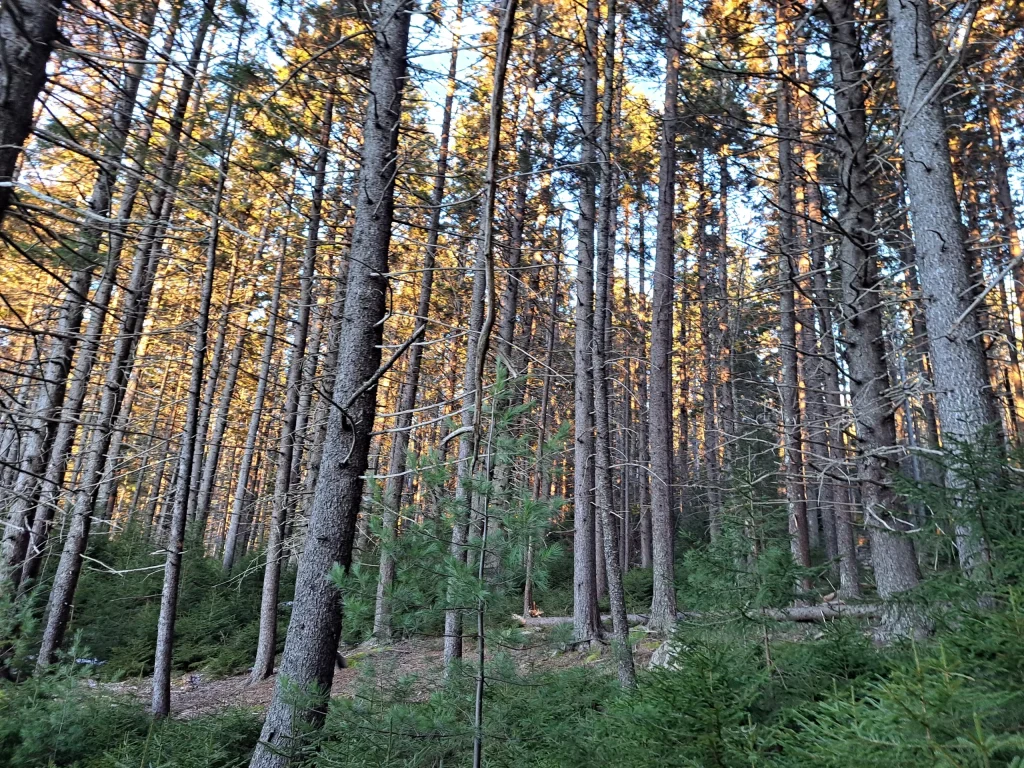
Let’s be honest. Urban life is a sensory blitz. The constant hum of traffic, the glare of screens, the rush of crowds—it’s a recipe for what experts now call “cognitive overload.” Your nervous system wasn’t built for this. It was built for rustling leaves, shifting light through branches, the scent of damp earth.
That’s where forest bathing comes in. No, you don’t need a tub. The Japanese practice of Shinrin-yoku simply means “taking in the forest atmosphere.” It’s a slow, mindful immersion in nature. And the science is staggering: studies show it can lower cortisol (that pesky stress hormone), reduce blood pressure, boost mood, and even enhance creativity.
But here’s the catch for urban dwellers: you might not have an old-growth forest down the block. That’s okay. The core idea is nature immersion, and you can achieve it with some clever, accessible protocols. Think of it as a mental health hack, using whatever green (or even blue) space you’ve got.
Why Your Brain Craves Green (and Blue) Spaces
Ever notice how a walk in the park just… clears your head? It’s not just in your imagination. It’s a biological reset. Our brains are hardwired to respond positively to natural environments—a concept called the Biophilia Hypothesis. In nature, our attention shifts from “directed” (the exhausting kind needed for work) to “soft fascination.” Your mind wanders, rests, and restores itself.
For city residents, accessing this isn’t a luxury; it’s a necessity for mental well-being. The good news? You don’t need a week in the wilderness. Effective, urban-friendly forest bathing protocols can be woven into a lunch break or a Saturday morning.
Your Urban Nature Immersion Toolkit: Protocols That Actually Work
Alright, let’s get practical. Here’s how to build your own nature immersion habit, step by step. Forget performance. This is about presence.
1. The Mindset Shift: From Walk to Wander
First, ditch the fitness tracker. This isn’t about steps or heart rate. Leave your phone on silent—or, better yet, in your bag. The goal is to slow down to a pace that feels almost… unnatural. Amble. Meander. Stop for no reason. When you slow your body, your mind follows.
2. Engage Your Senses, One by One
This is the heart of the practice. A simple 20-minute sensory scan can be more refreshing than a two-hour distracted stroll.
- Sight: Don’t just look—see. Notice the play of light and shadow on a building. Find the different shades of green in a single leaf. Look for patterns in bark or cracks in the pavement where moss grows. Let your gaze soften; try peripheral vision.
- Sound: Tune into the natural soundscape beneath the city noise. The wind in trees, distant bird calls, water dripping or flowing. Listen to it like a piece of music.
- Smell: Breathe deeply. Sniff the air after rain (petrichor—that amazing smell), the scent of cut grass, the earthiness of soil. Even urban gardens have distinct smells.
- Touch: Feel the texture of a leaf, the roughness of a stone, the coolness of a metal railing. If it’s safe, take off your shoes and stand on grass.
- Taste: Okay, be safe here! But perhaps sip a tea made with foraged herbs (from a trusted source) or simply taste the clean air.
3. Location Scouting: Your Urban “Forest” Options
Your nature immersion spot can be almost anywhere. Here’s a quick breakdown of urban options and how to use them:
| Location Type | How to Use It for Immersion | Pro Tip |
| City Park (Large) | Find a quiet grove or sit by a pond. Do a full sensory scan. Perfect for longer sessions. | Go early morning or on weekdays to avoid crowds. |
| Community Garden | Engage smell and touch deeply. Observe insects, growth cycles. Highly sensory. | Volunteer! Active engagement deepens the connection. |
| Botanical Garden / Arboretum | Ideal for focused observation. Different plant zones offer variety. | Don’t try to see everything. Pick one section and stay put. |
| Quiet Residential Street (Tree-lined) | Practice “sky-gazing” looking up at the canopy. Notice the shapes of branches. | It’s about vertical, not horizontal, space. Look up! |
| Waterfront (River, Lake, Canal) | “Blue space” is incredibly calming. Focus on sound and light reflection. | Combine with breathwork—inhale as a wave comes, exhale as it recedes. |
| Your Own Balcony / Windowsill | Create a micro-sanctuary with plants. A 5-minute morning ritual here sets the tone. | Grow herbs you can touch and smell—mint, rosemary, lavender. |
Making It Stick: Building a Sustainable Practice
Knowing the protocol is one thing. Actually doing it regularly is another. The key is to lower the barrier to entry. Don’t aim for a 2-hour weekly epic. Aim for tiny, consistent doses.
- Start with 10 minutes. Seriously. Set a timer. Even a brief, focused immersion has measurable effects.
- Pair it with a habit. “After my Monday coffee, I sit in the park for 10 minutes.” Habit stacking works wonders.
- Try “micro-moments.” Stuck at a red light? Look at the tree nearby, really look at it. Waiting for your coffee? Feel the sun on your skin for 30 seconds. It all adds up.
- Keep a simple journal. Not a novel. Just a note: “Felt breeze, saw a red bird, mind quieter.” It reinforces the positive feedback loop.
The Inevitable Obstacles (And How to Sidestep Them)
“But it’s raining.” Perfect. Experiencing nature in different weather is profound—just dress for it. “I feel silly just standing there.” That’s the social anxiety talking. Most people are lost in their phones; they won’t notice you. “My mind won’t stop racing.” That’s normal. Gently guide your attention back to a sensory anchor—the sound of leaves, the feeling of your feet on the ground.
The biggest barrier, honestly, is giving yourself permission. Permission to do nothing “productive.” Permission to just be in a world that constantly asks you to do.
A Final, Gentle Nudge
Forest bathing and nature immersion aren’t about escaping the city. They’re about remembering that you are, despite the asphalt and steel, still a biological creature in a living world. You’re re-weaving a connection that was never really severed, just forgotten.
The protocol is just a map. The territory is your own direct experience. So this week, find your nearest patch of green—or blue, or even a single tree fighting its way up through the sidewalk. Go there. Breathe. Listen. Feel. Let the city fade into the background, just for a few minutes, and let the older, quieter world beneath it all say hello.


